


Empowering Women’s Gut Health Naturally
- Jennifer Smith
- Dec 25, 2025
- 4 min read

Updated: 2 days ago
Gut health is a crucial aspect of overall well-being, yet it often goes overlooked. For women, maintaining a healthy gut can significantly impact various aspects of life, including mood, energy levels, and even hormonal balance. This blog post will explore natural ways to empower women’s gut health, providing practical tips and insights to help you take charge of your digestive wellness.

Understanding Gut Health
Gut health refers to the balance of microorganisms living in the digestive tract. A healthy gut is essential for digestion, nutrient absorption, and immune function. When the gut is out of balance, it can lead to various health issues, including digestive disorders, fatigue, and mood swings.
The Importance of Gut Health for Women
Women face unique challenges regarding gut health due to hormonal fluctuations, pregnancy, and menopause. These factors can influence gut microbiota, leading to conditions such as irritable bowel syndrome (IBS) or bloating. Understanding the connection between gut health and overall wellness is the first step toward empowerment.
Natural Ways to Improve Gut Health
1. Prioritize Easy‑to‑Digest, Nutrient‑Dense Foods
A pro‑metabolic approach focuses on foods that are gentle on digestion, stabilize blood sugar, support thyroid function, and provide the vitamins and minerals your metabolism depends on. Instead of simply aiming for “variety,” the emphasis is on strategic nourishment—choosing foods your body can break down efficiently so your gut and hormones stay regulated.
Core Principles
• Choose ripe fruits, well‑cooked vegetables, and roots that are easier to digest and rich in protective antioxidants.
• Favor bioavailable proteins like dairy, eggs, gelatin, and shellfish to support metabolic repair.
• Include saturated and monounsaturated fats (coconut oil, butter, ghee, olive oil) that are stable and supportive of hormone production.
• Use fermented foods in small, tolerable amounts to support microbial balance without overwhelming the gut.
• Emphasize soluble and gentle fibers (ripe fruit, cooked roots, raw carrot) over harsh or bloating fibers.
Pro‑Metabolic Gut‑Friendly Foods
Fruits (ripe + easy to digest)
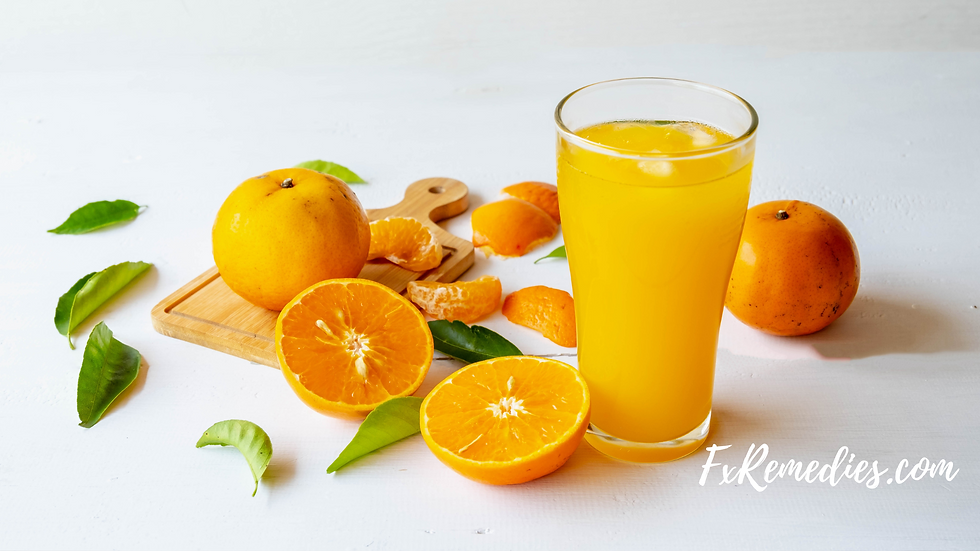
• Oranges and citrus
• Ripe bananas
• Berries
• Applesauce or stewed apples
• Pineapple, mango, papaya
Vegetables (cooked or strategic raw)
• Carrots (especially raw carrot salad for gut cleansing)
• Squash, zucchini
• Beets
• Well‑cooked leafy greens
• Potatoes and sweet potatoes
Proteins (bioavailable + supportive)
• Dairy: milk, yogurt, cottage cheese, kefir
• Eggs
• Gelatin or collagen
• Shellfish (oysters, shrimp)
• White fish
• Grass‑fed beef
Fats (stable + hormone supportive)
• Butter or ghee
• Coconut oil
2. Stay Hydrated
Water plays a vital role in digestion and nutrient absorption. Aim to drink at least eight glasses of water daily. Staying hydrated helps maintain the mucosal lining of the intestines and supports the balance of gut bacteria.
3. Incorporate Probiotics and Prebiotics
Probiotics are live bacteria that provide health benefits when consumed. They can be found in fermented foods or taken as supplements. Prebiotics, on the other hand, are non-digestible fibers that feed beneficial gut bacteria. Foods rich in prebiotics include garlic, onions, asparagus, and bananas.
Probiotic-rich foods:
Yogurt
Kefir
Fermented vegetables
Miso
Prebiotic-rich foods:
Garlic
Onions
Leeks
Artichokes
4. Manage Stress
Chronic stress can negatively impact gut health. It can lead to inflammation and disrupt the balance of gut bacteria. Incorporating stress management techniques such as yoga, meditation, or deep-breathing exercises can help promote a healthier gut.
5. Get Regular Exercise
Physical activity is beneficial for gut health. Regular exercise helps stimulate the digestive system and promotes the growth of healthy gut bacteria. Aim for at least 150 minutes of moderate-intensity exercise each week.
6. Prioritize Sleep
Quality sleep is essential for overall health, including gut health. Lack of sleep can disrupt the gut microbiome and lead to digestive issues. Aim for 7-9 hours of quality sleep each night to support your gut and overall well-being.
Common Gut Health Issues in Women
1. Irritable Bowel Syndrome (IBS)
IBS is a common digestive disorder that affects many women. Symptoms include abdominal pain, bloating, and changes in bowel habits. Managing stress, dietary changes, and probiotics can help alleviate symptoms.
2. Hormonal Imbalances
Hormonal fluctuations can impact gut health. Conditions such as premenstrual syndrome (PMS) and menopause can lead to digestive issues. Maintaining a balanced diet and managing stress can help mitigate these effects.
3. Food Intolerances
Many women experience food intolerances that can affect gut health. Common culprits include lactose and gluten. Keeping a food diary can help identify triggers and guide dietary changes.
The Role of Supplements
While a balanced diet is crucial, some women may benefit from supplements to support gut health. Probiotic supplements can help restore balance, especially after antibiotic use. Always consult with a healthcare professional before starting any new supplement regimen.
Conclusion
Empowering women’s gut health naturally is achievable through mindful dietary choices, stress management, and lifestyle changes. By prioritizing gut health, women can enhance their overall well-being and enjoy a better quality of life. Start today by incorporating these practical tips into your daily routine and take charge of your digestive health.
Next Steps
Evaluate your diet: Take a moment to assess your current eating habits. Are you including a variety of gut-friendly foods?
Stay hydrated: Make a conscious effort to drink more water throughout the day.
Explore probiotics: Consider adding probiotic-rich foods or supplements to your routine.
By taking these steps, you can empower your gut health and support your overall wellness journey.


Comments